How Climate and Terrain in Uvalde Affect Surveying
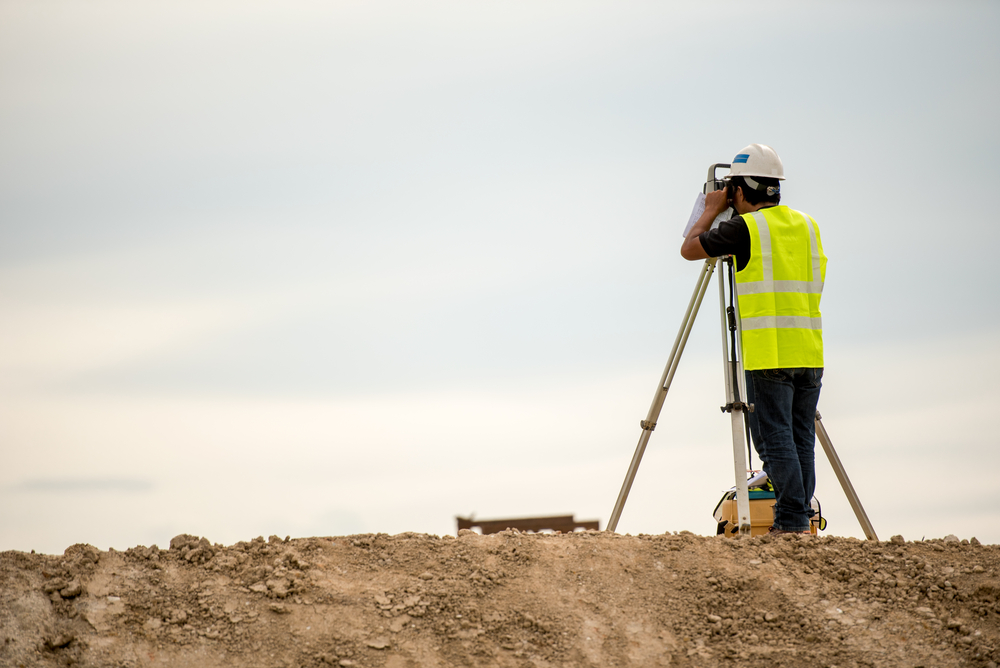
Surveying in Uvalde, Texas presents unique challenges that stem directly from the region’s distinctive climate and diverse terrain. Professional boundary surveyors and land surveyors in Uvalde, TX must develop specialized expertise to navigate these environmental factors effectively. Understanding how local conditions influence surveying work is essential for property owners, developers, and surveying professionals operating in this South Texas region.
Uvalde’s Geographic Position and Climate Patterns
Uvalde, TX sits in a transitional zone between the arid Chihuahuan Desert to the west and the more humid subtropical climate to the east. This geographic position creates a semi-arid climate characterized by hot summers and mild winters. The region receives approximately 24 inches of annual rainfall, which is significantly less than the national average. This precipitation pattern directly impacts how land surveyors in Uvalde, TX conduct their work and maintain their equipment.
The temperature fluctuations in Uvalde can be dramatic throughout the year. Summer temperatures frequently exceed 95 degrees Fahrenheit, while winter temperatures occasionally dip below freezing. These temperature swings cause significant expansion and contraction in surveying equipment, soil, and rock formations. Boundary surveyors must account for thermal expansion when taking precise measurements, as metal surveying instruments can shift slightly in length when exposed to extreme heat or cold. This thermal sensitivity requires land surveyors in Uvalde, TX to conduct measurements during optimal times of day and adjust calculations to compensate for environmental conditions.
Humidity levels in Uvalde tend to be relatively low compared to other Texas regions, averaging around 50 percent annually. While this might seem advantageous for surveying work, the low humidity combined with intense sun exposure creates unique challenges. The dry conditions accelerate equipment wear and increase the risk of static electricity interference with sensitive electronic surveying instruments. Professional boundary surveyors in the area must implement rigorous equipment maintenance schedules and protective measures to ensure accuracy and longevity of their tools.
The Impact of Limestone and Rocky Terrain on Survey Work
Uvalde, TX is located in an area characterized by extensive limestone formations and rocky terrain. This geological composition significantly influences surveying operations and creates specific challenges for land surveyors in Uvalde, TX. The Edwards Plateau, which dominates the landscape, consists primarily of limestone bedrock covered by relatively thin soil layers. This geological reality affects everything from establishing survey monuments to conducting underground utility locates.
The prevalence of limestone presents particular challenges when establishing permanent survey markers. Boundary surveyors must often drill into solid rock to place survey monuments securely. This requires specialized equipment and increased time investment compared to regions with softer soil composition. The rocky terrain also makes it difficult to locate existing survey markers that may have been buried or obscured over decades. Land surveyors in Uvalde, TX frequently use ground-penetrating radar and metal detection equipment to identify historic survey monuments hidden beneath limestone rubble or vegetation.
The limestone formations in the region also create karst topography, characterized by sinkholes, caves, and underground drainage systems. This subsurface instability can complicate boundary surveys and property assessments. Boundary surveyors must account for potential ground subsidence when establishing survey lines and property boundaries. The presence of underground voids affects how water drains through the land and can influence erosion patterns visible on the surface, which impacts survey accuracy and property line establishment.
Water Management and Seasonal Flooding Considerations
The Nueces River and various creeks running through Uvalde create important boundary references for many properties. However, these water features present significant challenges for land surveyors in Uvalde, TX during seasonal variations. While the area experiences an overall moisture deficit, sudden intense rainfall events can cause flash flooding in low-lying areas and creek beds.
These seasonal water level fluctuations directly impact boundary surveying work. Land surveyors in Uvalde, TX must account for varying water levels when establishing property boundaries that follow water courses. Standard practice requires boundary surveyors to measure from the mean water level rather than current water conditions, but identifying the mean level requires careful analysis of historical water data and topographic studies. During dry seasons, creeks may appear as dry washes, making it difficult for surveyors to locate water course boundaries.
The episodic nature of flooding in Uvalde also affects survey monument placement and preservation. Boundary surveyors must position monuments where they won’t be swept away during flood events or buried under sediment deposits. This requires sophisticated understanding of local flooding patterns and topographic flow analysis. Land surveyors in Uvalde, TX often work with hydrologists and engineers to understand flow patterns before establishing permanent survey markers in riparian zones.
Vegetation Patterns and Their Role in Surveying Challenges
The vegetation in Uvalde reflects the semi-arid climate, ranging from dense oak and mesquite brush in well-watered areas to sparse grassland on drier hillsides. This variable vegetation coverage creates unique challenges for land surveyors in Uvalde, TX. Dense brush and thorny vegetation can obscure survey lines and make field work physically challenging for boundary surveyors conducting measurements and establishing survey monuments.
The presence of protected indigenous vegetation adds another layer of complexity to surveying operations. Boundary surveyors working in Uvalde, TX must navigate regulatory requirements protecting certain plant species while conducting their fieldwork. Some surveying activities might require environmental assessments before proceeding, particularly in areas with protected grassland species or oak-covered slopes.
Vegetation growth patterns also affect the visibility and preservation of survey monuments. Boundary surveyors in the region design permanent markers and posts that can be located despite vegetation overgrowth. Land surveyors in Uvalde, TX use various techniques including metal caps, witness stakes, and GPS integration to ensure survey monuments remain discoverable even after years of vegetation encroachment. The rapid growth of mesquite and brush during wetter periods can completely obscure older survey markers within a few seasons.
Equipment Adaptation and Professional Practices for Uvalde Surveyors
Modern boundary surveyors in Uvalde, TX employ advanced technology to overcome regional challenges. GPS and other satellite-based surveying methods offer significant advantages in the semi-arid landscape where clear sky visibility is often excellent. However, land surveyors in Uvalde, TX still encounter signal interference from the region’s rock formations and canyon features, particularly in areas near the Nueces River drainage systems.
Professional land surveyors in Uvalde, TX invest in specialized equipment suited to local conditions. This includes durable instruments designed to withstand temperature extremes, sealed equipment cases protecting against dust and limestone particles, and backup systems for cases where primary equipment fails. Boundary surveyors maintain detailed local knowledge about survey monument placement patterns used by previous surveyors, which helps them predict where historical markers might be located.
The surveying community in Uvalde has developed best practices specifically adapted to local conditions. These practices include conducting winter surveys when temperatures are moderate and vegetation is dormant, scheduling surveys before seasonal flooding events, and using established reference points from the Texas General Land Office historical survey records. Land surveyors in Uvalde, TX work closely with local government offices to access historical survey data and understand long-established property boundaries.
Conclusion
Climate and terrain fundamentally shape how boundary surveyors and land surveyors in Uvalde, TX conduct their professional work. The semi-arid climate with temperature extremes, combined with limestone-dominated geology and episodic flooding patterns, requires specialized expertise and adaptive practices. Professional boundary surveyors in the region have developed sophisticated approaches to overcome these environmental challenges while maintaining accuracy and establishing reliable property boundaries. Understanding these local factors is essential for anyone commissioning survey work in Uvalde, TX.
Need Land Surveyors in Texas?
At Smyth Surveyors, Inc., we offer professional, official, and dependable land surveying in Texas. Our staff are all trained and licensed with our owner holding an L.S.L.S license. We can offer surveying for gas and oil well locations, pipeline right-of-way acquisition and construction alignment, determination of original survey boundaries, title boundary surveys, topographic surveys, and construction staking. If you are looking for a surveying company that has a prestigious record and an impeccable reputation look no further than Smyth Surveyors, Inc. Contact us today to speak with one of our friendly project managers and set up some time with us!